Economic Shocks

Recent geopolitical developments in the Middle East have unsettled global markets, particularly energy markets. A series of attacks against key US and Israeli sites, following earlier strikes on Iran that killed several senior leaders, effectively halted marine transportation through the Strait of Hormuz, a narrow waterway connecting the Persian Gulf to the Gulf of Oman along Iran’s southern coast. Oil prices surged as shipping companies struggled to obtain insurance coverage for vessels entering the Strait. Roughly 20% of the world’s oil supply passes through this corridor each year. Beyond energy markets, the disruption also carries broader economic and humanitarian implications, as many countries in this region rely heavily on food imports transported through these waters. There are strong incentives to reopen the Strait quickly, as it would benefit both global energy markets and regional supply chains.
US Treasury Secretary Scott Bessent believes the oil price shock may prove temporary. In addition to releasing oil from strategic reserves and providing US Navy escorts through the Strait, the Treasury Department has floated more unconventional measures to stabilize prices. One proposal involves short-selling oil futures using a specialized US Treasury reserve account as collateral. A short sale involves selling a borrowed asset with the intention of repurchasing it later at a lower price. While government intervention in oil markets would be highly unusual and contains risks, the proposal may reflect the perspective of a policymaker with a background in hedge funds.
Outside of energy markets, equity valuations were tested by an unexpectedly weak employment report. The economy reportedly lost far more jobs in February than economists anticipated, raising concerns that rising unemployment could reduce incomes, spending, and growth. Researchers are now analyzing the data to determine possible causes, ranging from AI displacement to businesses reducing expenses. Despite the surprising jobs data, last year’s GDP figures showed that gains in worker productivity contributed positively to economic growth. Strong productivity helps businesses maintain profits, which in turn supports equity valuations over time.
“Despite the surprising jobs data, last year’s GDP figures showed that gains in worker productivity contributed positively to economic growth. Strong productivity helps businesses maintain profits, which in turn supports equity valuations over time.”
Another development emerged from the judicial branch. Last month, the Supreme Court ruled that several tariffs implemented during President Trump’s administration exceeded the scope of his legal authority. The ruling leaves open questions about the future of previously collected tariff revenues and any replacement tariffs. President Trump indicated that he intends to replace the prior tariffs with temporary flat-rate tariffs, which fall within his authority. However, these replacement tariffs are not expected to fully offset the revenue generated by the original tariffs. As a result, investors may increasingly evaluate the implications for federal borrowing costs, particularly amid increasing fiscal deficits and debt.
In contrast to the caution signaled by increased demand for safe-haven assets, strong corporate profitability suggests that productivity gains, particularly those linked to AI technology, are supporting economic growth and efficiency. For investors, this environment underscores the importance of balanced portfolios that maintain exposure to growth opportunities while incorporating assets that help manage volatility in a changing global landscape.
Geopolitical
The Supreme Court dropped a major legal shock into the middle of the already-turbulent global trade backdrop, striking down the centerpiece of Trump’s blanket “Liberation Day” tariffs. Markets initially treated it as a relief valve, but it quickly became clear the ruling created a new phase of uncertainty, not clarity, because the administration immediately signaled it would rebuild the tariff regime through other statutes. Yet, the next layer of complexity is related to tariff refunds. Companies began filing suits for these refunds and customs is building an electronic refund process.
The big international news is the Iran conflict. Energy costs are the immediate risk because they can hit consumers and inflation quickly. A primary factor is the situation surrounding the Strait of Hormuz, which carries roughly one-fifth of the world’s oil. Crude moved through the psychological threshold of $100 per barrel and is up over 60% since the beginning of the year. This has impacted the global economies in many different ways.
Inflation & Jobs
Quarter 4 GDP was a clear disappointment, with an initial reading of 1.4% annualized growth versus 2.9% expected, and a later revision taking that growth rate down to just 0.7%. Government activity was a major culprit, with federal spending plunging during the quarter, which fits the narrative that the 43-day shutdown did real damage.
Consumer behavior looked less robust than earlier in 2025. In the revised GDP report, consumption slowed relative to Q3, and there was also a notable split in spending patterns where services were still growing faster while goods were flat. This helps explain why parts of inflation remain stubborn.
The Fed’s preferred inflation gauge, the Personal Consumption Expenditures, or PCE index did not give the market the “all clear” as it came in hotter than expected. The recent Consumer Price Index, or CPI data was somewhat calmer, but not a decisive counter-signal. February CPI came in as expected at 0.3% month over month and 2.4% year over year.
The wild card for inflation is energy, and specifically the impacts associated with the Iran conflict. There have been warnings about extreme cost shock scenarios and real disruption risk around shipping lanes and regional infrastructure.
The labor market added a new layer of discomfort. February payrolls reportedly fell by 92,000 jobs, versus expectations for a gain of about 50,000, and revisions cut the prior readings for December and January by a meaningful amount. Unemployment also ticked up to 4.4% and labor force participation slipped to about 62%, which suggests not just fewer hires, but also potential worker discouragement.
“The Fed’s preferred inflation gauge, the Personal Consumption Expenditures, or PCE index did not give the market the “all clear” as it came in hotter than expected.”
The wild card for inflation is energy, and specifically the impacts associated with the Iran conflict. There have been warnings about extreme cost shock scenarios and real disruption risk around shipping lanes and regional infrastructure.
The labor market added a new layer of discomfort. February payrolls reportedly fell by 92,000 jobs, versus expectations for a gain of about 50,000, and revisions cut the prior readings for December and January by a meaningful amount. Unemployment also ticked up to 4.4% and labor force participation slipped to about 62%, which suggests not just fewer hires, but also potential worker discouragement.
Federal Reserve
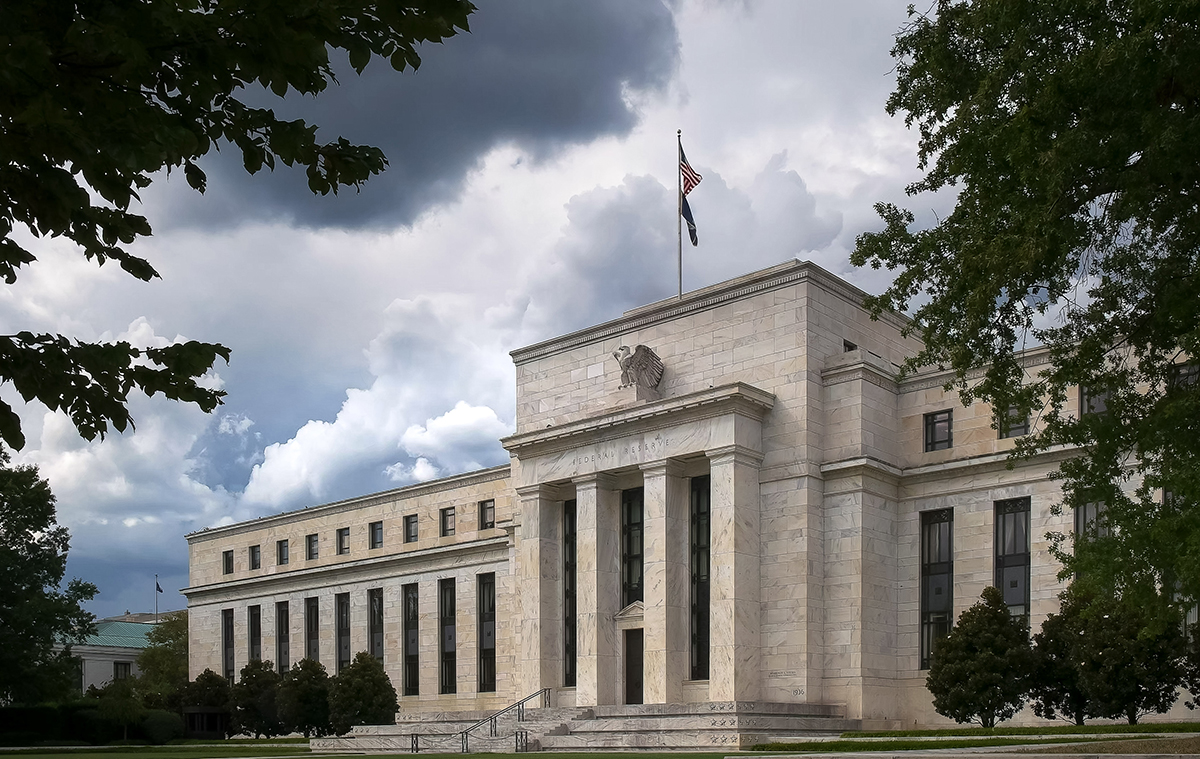
The Fed story this month is less about a clear “next move” and more about a central bank trying to protect credibility while the data and the geopolitical backdrop keep shifting. After three cuts in late 2025, January was a pause, and the minutes made it clear the committee is trying to stay flexible without looking indecisive. A number of participants worried that cutting further while inflation is still elevated could be misread as a weaker commitment to the 2% goal, and some believed hikes could be appropriate if inflation stays too high.
Employment data is also critical. If job creation and low unemployment look real, holding rates and waiting for more inflation progress becomes the cleaner choice. If the labor market data is revised down and the softness reasserts itself, the case for another cut reopens.
“A number of participants worried that cutting further while inflation is still elevated could be misread as a weaker commitment to the 2% goal, and some believed hikes could be appropriate if inflation stays too high.”
The Supreme Court decision overturning a large share of last year’s tariffs creates a moving target in terms of inflation impact. This could ease some near-term goods price pressure, but the administration’s intent to reimpose tariffs through other legal paths keeps businesses and markets in a holding pattern. The implication is that policy will lean more heavily on the underlying inflation trend and labor market signal, because the tariff channel is too politically and legally fluid to anchor a clean forecast.
And, yet another factor is the Iran conflict. Even if the Fed believes an energy spike is transitory, it has to worry about second-round effects through expectations, and about the political pressure that inevitably rises when inflation reaccelerates.

Stocks
Markets are being forced to reprice a geopolitical shock that sits right on top of the world’s most important energy corridor, and the initial reaction has been a familiar sequence: energy prices up, stocks down, and yields up. A major uncertainty is the potential duration of this conflict. A severe shock can be absorbed if it is short-lived, but a medium-duration shock becomes an economic one.
Where this gets especially tricky is that the same oil impulse that lifts inflation expectations can also delay or reduce the amount of rate relief investors have been counting on. One final consideration is valuation levels. Highly-valued, or expensive markets, do not need a full-blown recession to wobble, they just need a catalyst that widens the range of outcomes.
Although all equities declined as a result of the Iran conflict, small caps experienced more volatility. Also, foreign stocks have declined more than US stocks since the beginning of the conflict, with emerging market stocks experiencing the most losses. This is in part because many Asian and European economies are far more dependent on energy imports than the US. Further, while the US stock markets are bolstered by global tech giants with strong balance sheets, foreign indices are often more concentrated in sectors directly threatened by the conflict.
Bonds
The Iran conflict also impacted the bond market, forcing it right back into a two-handed outlook: inflation risk up front, and growth risk down the road. Initially, treasuries logged their biggest monthly rally in a year, with the 10-year yield falling below 4% for the first time since November as investors leaned on Treasuries as the most liquid “flight-to-quality” asset. Subsequently, yields shot higher with inflation fears taking center stage, which has pressured bond prices.
Longer-term bonds were hit the hardest as the surging oil prices and fears of war-related government spending caused a major selloff. Shorter-term bonds were more resilient. However, yields for shorter-term bonds generally rose more than yields for long-term bonds. This resulted in a flattening in the yield curve. As a reminder though, although long-term bond yields rose less than short-term bond yields, the price declines for long-term bonds were more significant due to their heightened sensitivity to interest rate changes.
Corporate bonds, specifically high yield bonds saw prices fall as "yield spreads" widened, meaning investors demanded much higher returns to hold riskier corporate debt compared to government debt. Similarly, foreign bonds were also negatively impacted, specifically those countries that have a greater energy import dependence.
© Advisory Alpha. Registration with the SEC or a state does not constitute an endorsement of the firm by regulators, nor does it indicate that the adviser has attained a particular level of skill or ability. This content is for informational purposes only and does not intend to make an offer or solicitation for the sale or purchase of any securities. Investing involves risk, including the potential loss of principal. No investment strategy, such as asset allocation or diversification, can guarantee a profit or protect against loss in periods of declining values. All investment strategies involve risk and have the potential for profit or loss. Changes in investment strategies, contributions or withdrawals, and economic conditions may materially affect the performance of your portfolio. There are no assurances that a portfolio will match or outperform any particular benchmark. Investors should carefully consider the investment objectives, risks, fees, and expenses before investing. Any financial services firms referenced in this material do not provide tax or legal advice. Please consult with your tax or legal professional regarding specific issues prior to making a tax or legal decision.
The performance information presented in the asset category section of this report is based on equal-weighted averages of the following Morningstar Categories: US Stocks (US Fund Large Blend, US Fund Mid-Cap Blend, US Fund Small-Blend), Foreign Stocks (US Fund Foreign Large Blend, US Fund Foreign Small/Mid Blend, US Fund Diversified Emerging Mkts), US Bonds (US Fund Intermediate Government, US Fund Inflation-Protected Bond, US Fund Corporate Bond, US Fund High Yield Bond, US Fund Bank Loan), Foreign Bonds (US Fund World Bond, US Fund Emerging Markets Bond), Hard Assets (US Fund Commodities Precious Metals, US Fund Commodities Energy, US Fund Global Real Estate, US Fund Real Estate), Hybrid Assets (US Fund Convertibles, US Fund Preferred Stock).
© 2026 Morningstar. All Rights Reserved. The information contained herein: (1) is proprietary to Morningstar and/or its content providers; (2) may not be copied or distributed; and (3) is not warranted to be accurate, complete, or timely. Neither Morningstar nor its content providers is responsible for any damages or losses arising from any use of this information. Past performance is no guarantee of future results. Morningstar category data is provided for illustrative purposes only to demonstrate a hypothetical investment vehicle represented by a group of similar investments. Morningstar category data is an aggregation across actual funds contained in the category, but it is not possible to directly invest in a category. Index returns are provided for illustrative purposes only to demonstrate a hypothetical investment vehicle using broad-based indices of securities. Unmanaged indexes are not available for direct investment. All data shown does not include internal fund expenses, trading costs, financial advisor fees, commissions, or taxes. This information is not intended to predict the performance of any specific investment or security. Past performance is no guarantee of future results.
Bureau of Labor Statistics. Unemployment Rate, Total Nonfarm Employment, Labor Force Participation, Consumer Price Index, Producers Price Index. www.bls.gov. United States, Department of Commerce, Bureau of Economic Analysis. Personal Consumption Expenditures, Gross Domestic Product, Consumer Spending, Personal Income, and Outlays. www.bea.gov. Federal Reserve. Fed Funds Rate, Fed Funds Target Range, Minutes of the Federal Open Market Committee, Board of the Federal Reserve System Calendar. www.federalreserve.gov. Trump, Donald. @realDonaldTrump. Truth Social.